Request Form
Emergency Case
Emergency hair loss care may be needed if you have had a blow to the face, lost a filling, or cracked a tooth.
- 0329-0011336
0327-0011335 - info@dotclinics.pk
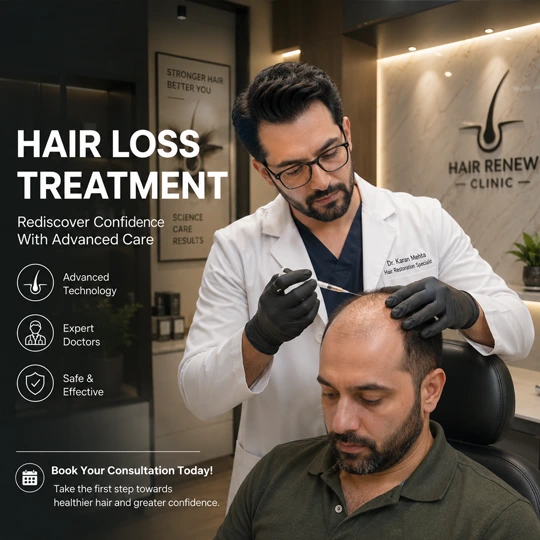
Hair Loss Treatment in Pakistan
Causes, Signs & Solutions in Lahore
Noticing more hair on your pillow or comb than usual? You are not alone. Hair loss is one of the most common concerns we see at Hair Transplant Clinic in Lahore, and in most cases, it is treatable. The average person loses between 50 and 100 strands a day, that is completely normal. But when your hair starts thinning noticeably, you see more scalp than before, or patches appear where there used to be full growth, that is when it needs attention.
Hair fall can affect your scalp, beard, and even your eyebrows. It can happen gradually over years or come on quite suddenly. For some people it runs in the family. For others it is triggered by stress, illness, or a nutritional gap. Whatever the reason, the first step is understanding what is actually causing it, because the right treatment depends entirely on the right diagnosis.
At Hair Transplant Clinic Lahore we do exactly that. We identify the root cause first, then offer you a treatment plan built around your specific condition.
What Is Hair Loss?
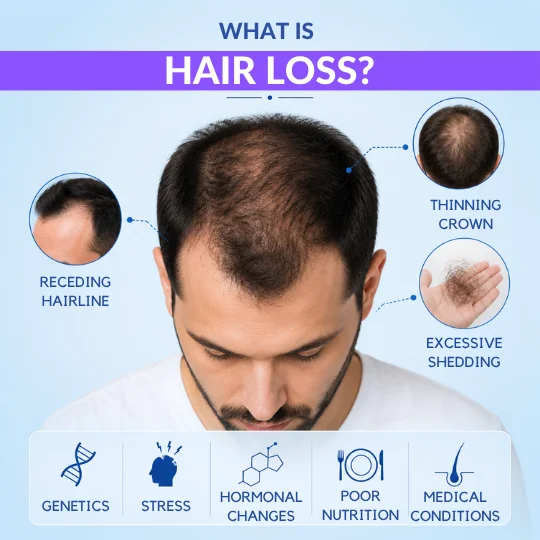
Hair loss medically called alopecia, means your hair is falling out faster than it is growing back. It can show up in different ways. Some people notice overall hair thinning across the scalp. Others develop a bald spot on the back of the head, a receding hairline, or patchy hair loss in random areas. In some cases, hair fall also affects the beard, eyebrows, or eyelashes.
Hair grows in cycles. Each strand goes through a growth phase, a resting phase, and a shedding phase. When something disrupts this cycle, whether it is hormones, stress, illness, or genetics, more hairs enter the shedding phase at once. That is when you notice excessive hair shedding or thinning hair that does not seem to grow back properly.
Hair loss is not always permanent. Many types are temporary and respond well to treatment when caught early. Others, such as androgenic alopecia (genetic baldness), are progressive but can be slowed down or reversed with the right approach.
schedule a visit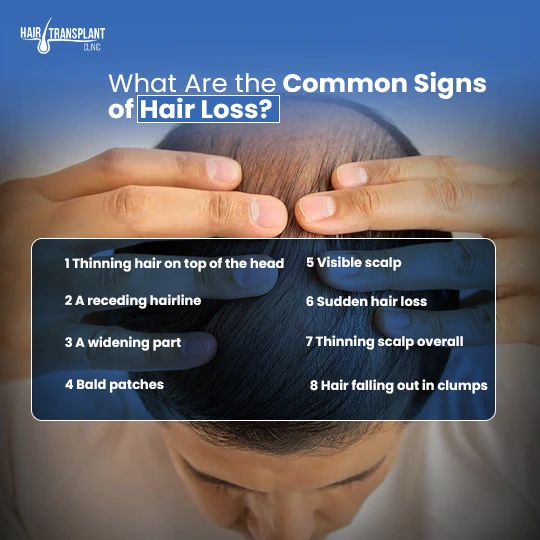
What Are the Common Signs of Hair Loss?
Many people do not notice hair thinning until it has already progressed. Here are the early warning signs to watch for:
- Thinning hair on top of the head the most common sign in both men and women
- A receding hairline in men, this often forms an M-shape at the front
- A widening part in women, the parting line gets wider over time
- Bald patches circular or patchy bald spots on the scalp, beard, or eyebrows
- Hair falling out in clumps finding large amounts in the shower, on your pillow, or on your comb
- Visible scalp scalp becomes easier to see when hair is wet or in light
- Sudden hair loss rapid shedding after illness, surgery, or emotional stress
- Thinning scalp overall hair feels lighter, less dense, and breaks more easily
If you are experiencing any of these, it is worth getting a proper assessment rather than trying to guess the cause on your own.
What Causes Hair Loss?
There is rarely one single answer. Hair loss causes vary from person to person, and in many cases, more than one factor is involved. Here are the most common reasons, including some that are especially relevant in Pakistan.
Genetics (Androgenic Alopecia)
This is the most common cause of hair loss in both men and women. If your parents or grandparents experienced baldness, you are more likely to as well. In men, androgenic alopecia, also called male pattern hair loss, causes a receding hairline at the front and thinning on top of the head. In women, it shows up as hair thinning all over the scalp, usually without a fully receding hairline.
This type of hair loss is linked to how sensitive your hair follicles are to a hormone called DHT (dihydrotestosterone). South Asian men, including those in Pakistan, tend to have a higher sensitivity to DHT, which is why this type of balding is extremely common here.
Hormonal Changes
Hormones play a major role in hair growth. Any hormonal shift can push more hairs into the shedding phase. Common hormonal causes include:
- PCOS (Polycystic Ovary Syndrome): Very common among women in Pakistan. High androgen levels in PCOS can cause hair thinning at the temples and front of the scalp — similar to male pattern hair loss.
- Thyroid Disorders: Both an overactive and underactive thyroid can cause significant hair shedding and diffuse hair thinning.
- Post-Pregnancy Hair Loss: Many women experience sudden hair fall a few months after giving birth. This condition, called postpartum telogen effluvium, is usually temporary.
- Menopause: Falling oestrogen levels during menopause can lead to noticeable hair thinning and reduced hair density in women.
Stress and Telogen Effluvium
Severe physical or emotional stress can push large numbers of hair follicles into the resting phase at the same time. Several months later, those hairs shed all at once, this condition is called telogen effluvium. You may notice hair falling out in clumps or coming out more than usual when you wash or brush it.
Common triggers include a serious illness, major surgery, a high fever, extreme weight loss, bereavement, or a period of intense emotional pressure. The good news is that this type of hair loss is usually temporary. Once the stress is resolved, hair typically returns to normal thickness within 6 to 9 months, though recovery is faster with the right care and nutritional support.
Poor Nutrition and Deficiencies
Nutritional deficiencies are a significant and often overlooked cause of hair loss, particularly in Pakistan where dietary habits can leave certain gaps. The most common deficiencies linked to hair fall are:
- Iron Deficiency: Extremely common among Pakistani women, especially those with heavy menstrual cycles. Low iron levels can reduce oxygen supply to hair follicles and trigger excessive hair shedding.
- Vitamin D Deficiency: Widespread across Pakistan due to limited sun exposure, particularly in women who wear full coverings. Low vitamin D levels may contribute to weak hair follicles and hair thinning.
- Zinc Deficiency: Zinc is essential for healthy hair tissue growth and repair. A lack of zinc can lead to hair breakage, thinning, and slower hair regrowth.
- Biotin Deficiency: Biotin supports the production of keratin, the protein your hair is made of. Insufficient biotin may result in brittle hair and increased hair fall.
- Low Protein Intake: Hair is almost entirely made of protein. Poor protein intake can cause weak, thinning hair and excessive shedding over time.
A blood test can quickly identify whether a deficiency is contributing to your hair fall.
Alopecia Areata (Autoimmune Hair Loss)
In alopecia areata, the immune system mistakenly attacks healthy hair follicles, causing sudden bald patches on the scalp or beard. These patches can appear quickly and are often smooth and round. In some cases, hair grows back on its own. In others, the condition spreads or becomes more severe.
There are different forms, including alopecia totalis (complete scalp hair loss) and alopecia universalis (hair loss across the entire body). Treatment options include steroid injections, immunotherapy, and in some cases, targeted medications.
Hair Styling and Traction Damage
Repeatedly pulling hair into tight styles, such as tight braids, ponytails, or using heating tools, can damage hair follicles over time. This is called traction alopecia. Using harsh chemical relaxers, excessive dyeing, or perming treatments weakens the hair shaft and leads to breakage and thinning. In many cases, this type of hair damage is preventable with gentler styling habits.
Scalp Infections
Fungal infections like ringworm of the scalp (tinea capitis) can cause patchy hair loss, usually accompanied by itching, scaling, or redness. This type of hair loss responds well to antifungal treatment once correctly diagnosed.
Cancer Treatment
Chemotherapy drugs target rapidly dividing cells, including hair follicle cells. This is why hair loss is a well-known side effect of cancer treatment. Radiation therapy directed at the head can also cause hair loss in the treated area. In most cases, hair begins to grow back within a few months after treatment ends, though texture or colour may temporarily change.
Age-Related Hair Thinning
As you age, your hair naturally grows more slowly and the individual strands become thinner. Eventually, some follicles stop producing hair altogether. This is a gradual process, but it can become noticeable in your 40s and 50s. Early treatment with minoxidil or hair restoration procedures can significantly slow this progression.
Medications
Certain medications can trigger hair shedding as a side effect. These include blood thinners, some blood pressure medications, antidepressants, and high-dose vitamin A supplements. If you noticed hair loss shortly after starting a new medication, mention this to your doctor.
When Should You See a Specialist?
Not every hair fall situation needs clinical treatment, but some do. You should book a consultation if:
- Hair is falling out in clumps or coming out in large amounts
- You notice sudden bald patches on your scalp or beard
- Your hairline has visibly receded in the past 6 to 12 months
- Hair thinning is accompanied by scalp itching, pain, or redness
- You are a woman and your part line has become significantly wider
- Hair loss is affecting your confidence or daily life
- Home remedies and over-the-counter products have not made any difference after 3 months
Do not wait until hair loss is advanced. The earlier it is assessed, the more treatment options are available to you.
How Is Hair Loss Diagnosed?
A proper diagnosis is the foundation of any successful hair loss treatment. At Hair Transplant Clinic, our approach includes:
Scalp Examination
We examine your scalp, hair density, and the pattern of loss to identify the likely type of alopecia.
Medical History Review
We ask about your family history, recent stress or illness, medication use, diet, and lifestyle — all of which can directly affect hair growth.
Blood Tests
We may recommend blood tests to check for iron levels, thyroid function, vitamin D, zinc, hormones (including androgens and oestrogen), and markers of autoimmune activity.
Pull Test
A gentle test where a small cluster of hairs is pulled to assess how many are in the shedding phase and how firmly follicles are anchored.
Trichoscopy
A magnified examination of the scalp and hair follicles that helps us assess follicle health without any invasive procedures.
This diagnostic process helps us rule out temporary causes and confirm whether hair restoration treatment is appropriate.
Hair Loss Treatments We Offer in Lahore
Every patient is different. Your treatment plan will be based on the type and stage of your hair loss, your overall health, and your goals. Here is what we offer:
Hair Transplant
For permanent hair loss, whether from genetics, scarring, or advanced thinning, a hair transplant is the most effective long-term solution.
FUE (Follicular Unit Extraction)
Individual hair follicles are harvested from a donor area (usually the back of the scalp) and implanted into thinning or bald areas. No linear scar. Minimal downtime.
DHI (Direct Hair Implantation)
A refined version of FUE where follicles are implanted directly using a specialised pen, without the need to pre-create recipient sites. Offers precise hairline control and faster recovery.
PRP Therapy (Platelet-Rich Plasma)
PRP is a non-surgical hair loss treatment that uses your own blood. A small amount of blood is drawn, processed to concentrate the growth-factor-rich plasma, and then injected into the scalp. These growth factors stimulate dormant follicles, reduce hair shedding, and improve hair thickness.
Medications and Non-Surgical Treatments
For patients not ready for surgery or experiencing early-stage hair loss, we offer non-surgical treatments such as Minoxidil, Finasteride, nutritional supplements, and low-level laser therapy (LLLT). These treatments help slow hair loss and support regrowth but require consistent use and regular follow-up for best results.
Ready to Take the First Step?
Hair loss is rarely something you should just accept and live with — especially when effective, proven treatments are available right here in Lahore. Whether you are just starting to notice hair thinning or have been dealing with baldness for years, our team at Hair Transplant Clinic is here to give you honest, expert guidance.
Book a free consultation with Dr. Hamza Ahmad and find out exactly what is causing your hair loss and what can be done about it.
Book Free Consultation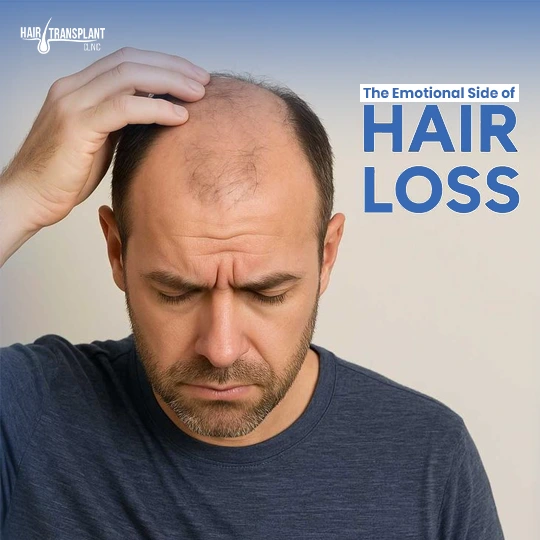
The Emotional Side of Hair Loss
Hair loss is not just a physical issue. For many people, it affects how they feel about themselves, their confidence, their identity, and their comfort in social situations. This is completely understandable.
At Hair Transplant Clinic, we take the emotional impact seriously. We will never rush you into a treatment decision. Our consultations are private, judgement-free, and focused entirely on what is right for you. Whether you are dealing with male pattern baldness, patchy hair loss from alopecia areata, or post-pregnancy shedding, you deserve honest advice and a clear path forward.
Frequently Asked Questions
Everything you need to know before starting your hair transplant journey in Pakistan.
Is it normal to lose hair every day?
Yes. Losing between 50 and 100 hairs a day is a normal part of the hair growth cycle. You only need to be concerned if you notice a significant increase in daily shedding, visible thinning, or bald patches forming.
Why is my hair falling out so much suddenly?
Sudden, excessive hair shedding is most often caused by a stressful event (illness, surgery, emotional shock), a nutritional deficiency, or a hormonal change. This is called telogen effluvium and is usually temporary. However, it is worth getting a blood test to rule out an underlying cause.
Can hair loss be reversed?
It depends on the cause. Hair loss from stress, nutritional deficiencies, thyroid problems, or certain medications is usually reversible once the underlying issue is addressed. Genetic hair loss (androgenic alopecia) cannot be fully reversed, but it can be significantly slowed and treated with transplant procedures or medications.
What causes hair thinning on top of the head specifically?
Thinning on top of the head — especially in a diffuse pattern — is most commonly linked to androgenic alopecia, hormonal imbalances, or early-stage nutritional deficiency. In men, it typically starts at the crown. In women, it often shows up as a wider parting line.
Why am I going bald at a young age?
Early hair loss in men as young as their 20s is more common than most people realise, particularly in South Asian populations. It is usually genetic. The earlier it is treated, the better the outcome. Early-stage hair loss responds well to medical treatment, and a hair transplant is an option once hair loss has stabilised.
Does stress really cause hair loss?
Yes. Severe or prolonged stress can cause a type of hair loss called telogen effluvium, where large numbers of hairs enter the shedding phase at once. You may notice hair falling out in clumps around 2 to 4 months after a stressful period. The good news is that it usually grows back once stress levels normalise.
How do I know if my hair is thinning or just shedding normally?
Check your part line. If it looks wider than it used to, or if you can see more scalp than before, it is likely thinning rather than normal shedding. Another sign is if your ponytail feels noticeably thinner than it did 6 to 12 months ago.
What is the best hair loss treatment in Pakistan?
The right treatment depends on the cause and stage of your hair loss. FUE hair transplant is the most permanent solution for genetic baldness. PRP therapy works well for early-stage loss. Medications like minoxidil are effective for ongoing maintenance. The key is getting a proper diagnosis first, so treatment matches your actual condition.
Start Your Hair Restoration Journey Today
Book your free consultation at our hair transplant clinic in Lahore or Multan. Our specialists will assess your hair loss, explain the right technique for you, and give you a clear, honest picture of what to expect, at no cost.
Book Free ConsultationServing patients across Pakistan - Hair Transplant Clinic Lahore. Visit hairtransplantclinic.pk for appointments.

Our Contacts
- 85-R1, Ground Floor, Phase 2, Johar Town, Lahore
Get directions on the map - +92-329-001-1336
,
(24/7 General inquiry) - info@hairtransplantclinic.pk
Why Hair Transplant Clinic?
Hair Transplant Clinic is Pakistan’s largest hair loss treatment center, and proud of delivering the best
results as promised!
We bring you reliable alternatives to the scary cosmetic surgeries.